Separate mass from volume
A number on a jar or bottle is only useful when you read its unit. Grams describe mass, while millilitres describe volume. An ounce written as a mass unit is different from a fluid ounce. The appearance of a jar or the thickness of a product does not tell you which quantity the label uses. Read the written size for the exact option.
You cannot generally convert grams of a cosmetic product directly into millilitres without knowing its density. Do not assume that 30 g and 30 mL represent the same quantity of a formula. When comparing two options, keep mass-based sizes together and volume-based sizes together unless the manufacturer provides a justified conversion.
Recognise rounded package labels
Package descriptions sometimes pair an ounce-based size with a rounded metric amount. Read that pair as the supplied package description, not as a laboratory measurement calculated from the image. US and Imperial fluid ounces also differ. If a label is ambiguous, ask which measurement system and net quantity apply.
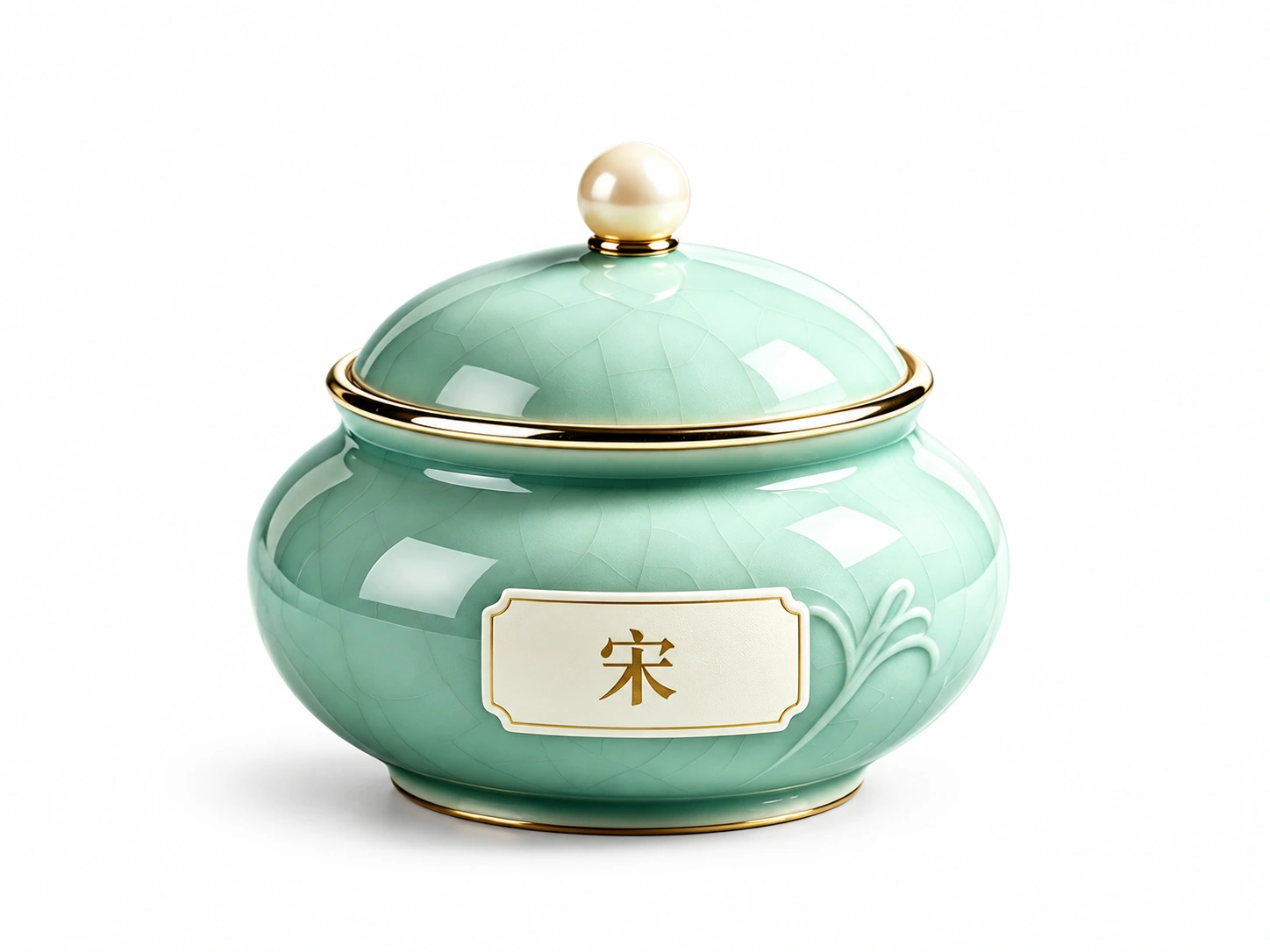
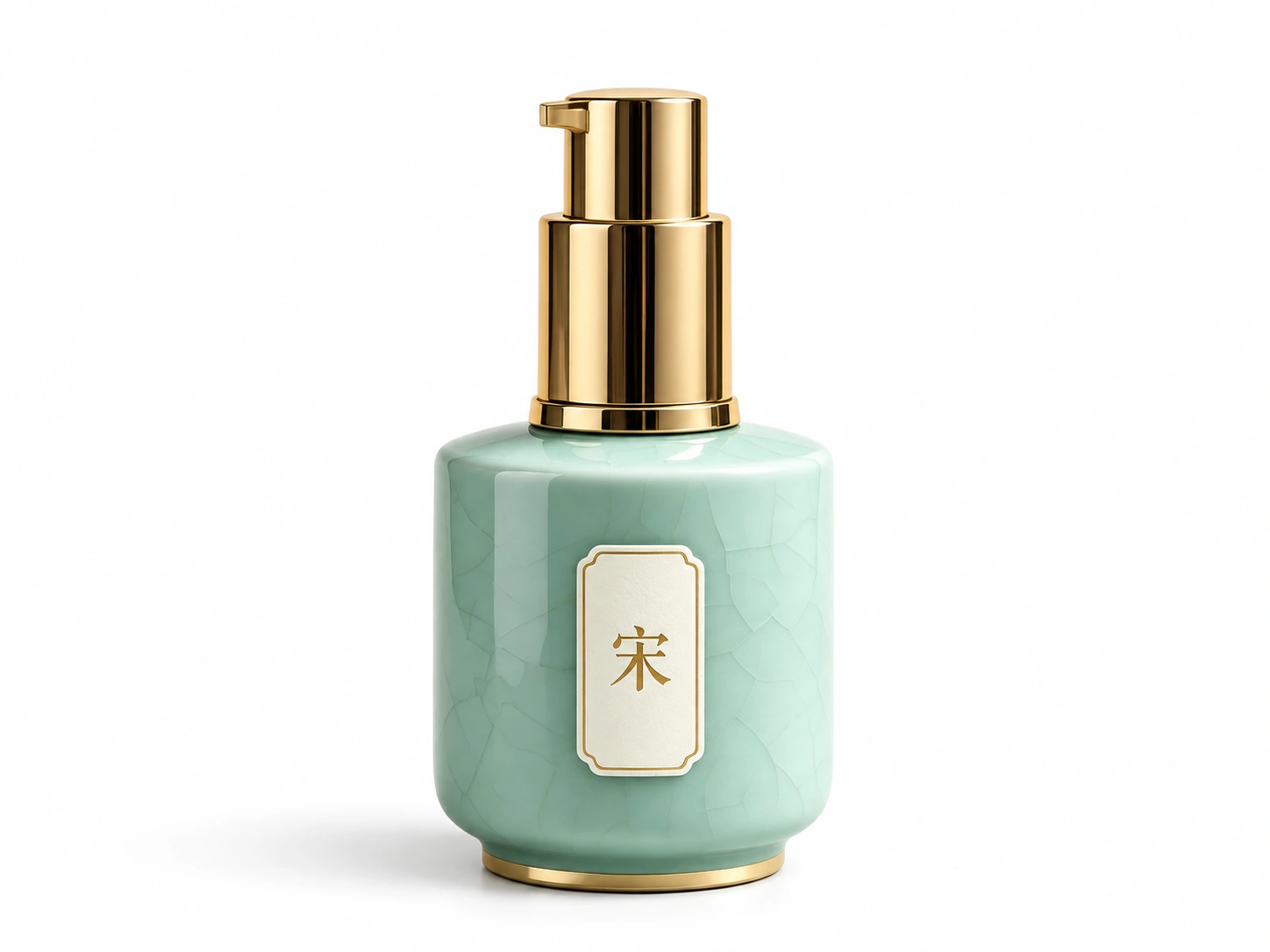
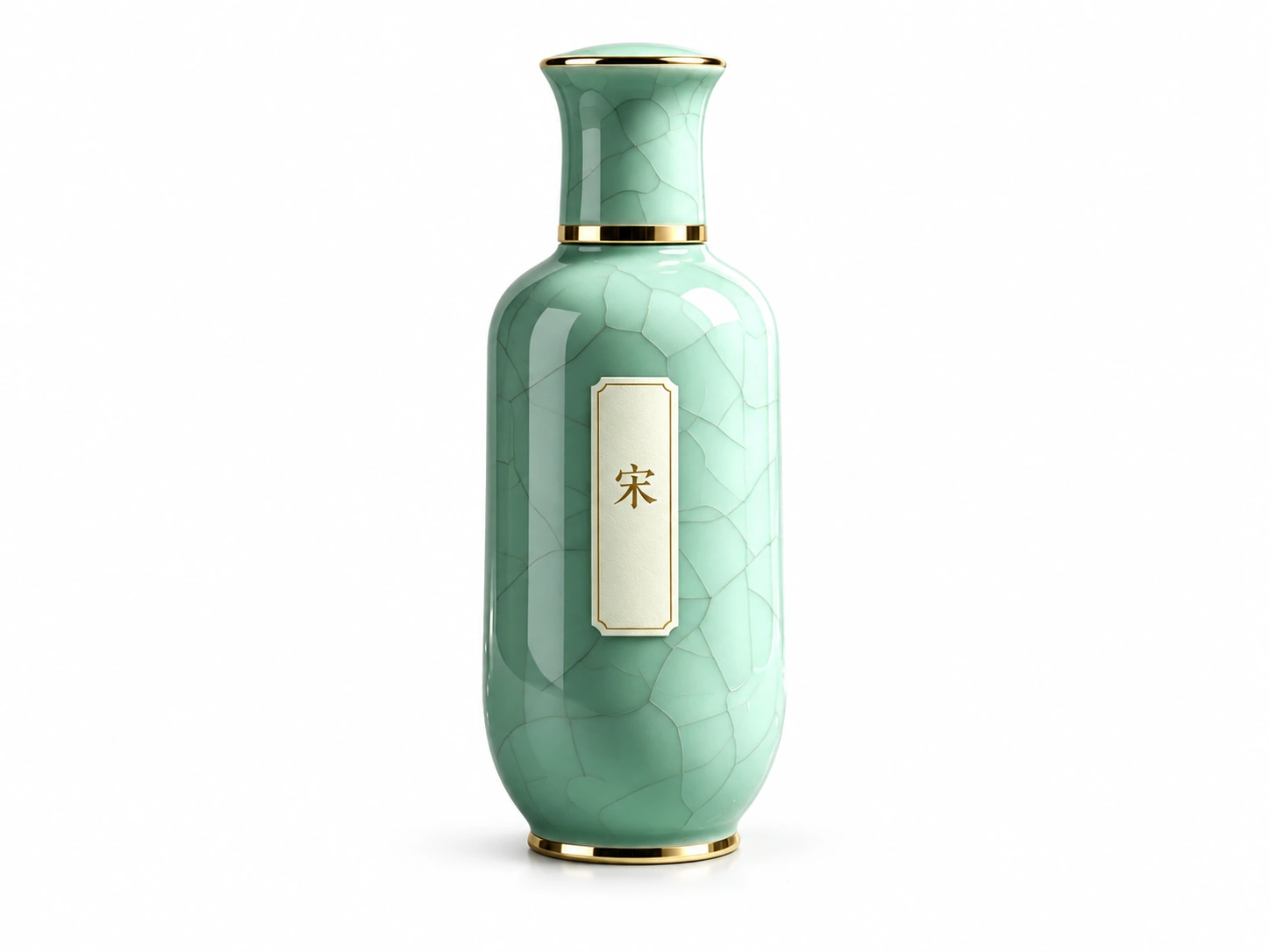
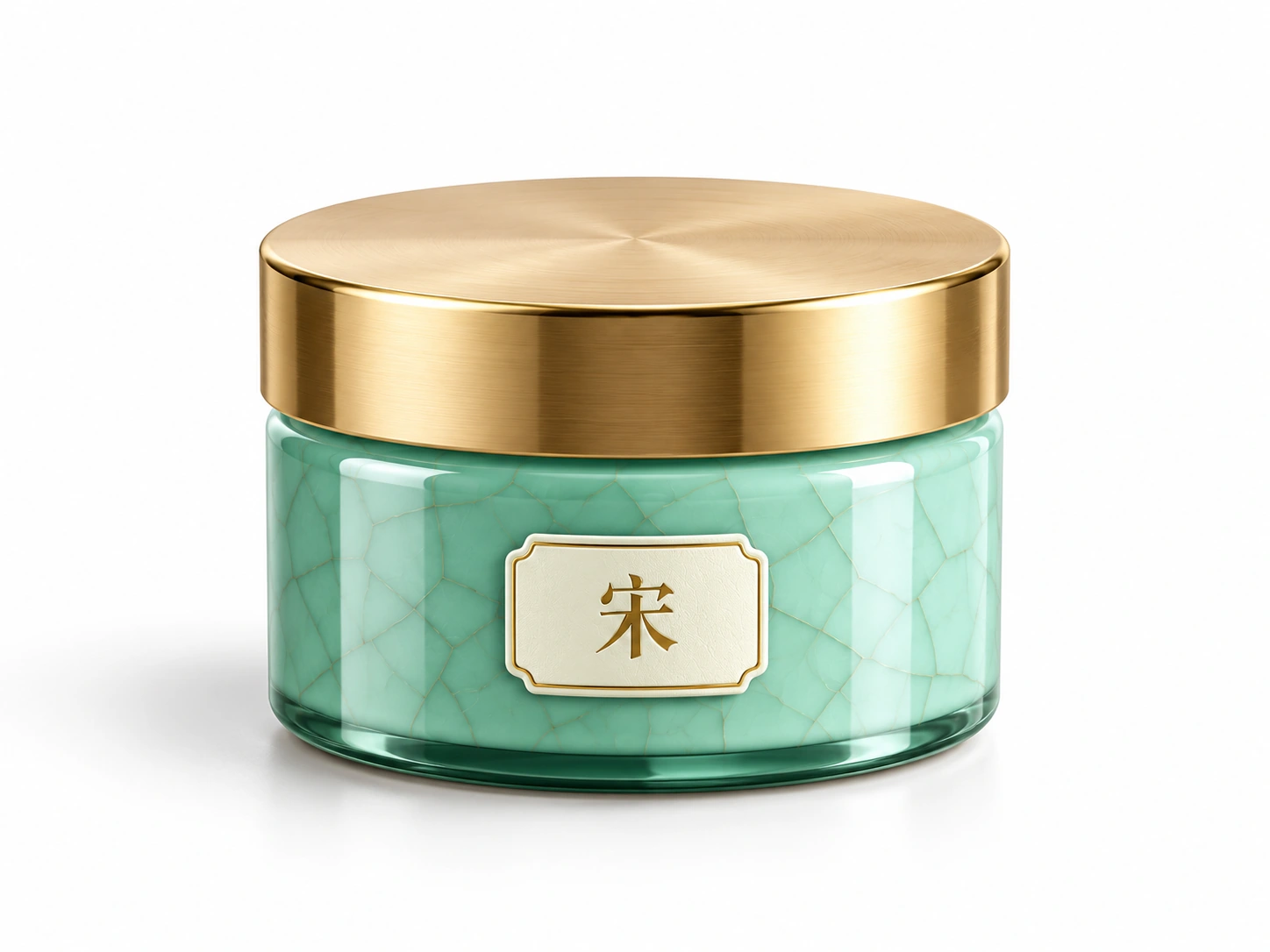
GARDEN reproduces the listed size options and shows the corresponding catalogue prices. A package rendering can illustrate the collection’s visual design; it is not a substitute for the final product label. If ingredients, net quantity or directions for use are missing, ask for the confirmed label information before making a purchasing decision.
Compare the same product on the same basis
A unit-price comparison is most useful when you have confirmed that the options contain the same product or formula and use the same measurement basis. Divide the listed price by the stated grams or millilitres, then multiply by a common amount such as 10 g or 10 mL. Write the result with the unit so that its meaning stays clear.
For example, a purely hypothetical 30 g option priced at US$60 works out to US$20 per 10 g. This arithmetic does not establish product quality, suitability or total delivery cost. Do not use it to compare unlike formulas as though quantity were the only difference. Consider how much you actually want and confirm the purchasing terms.
Keep price, packaging and product claims distinct
A USD price tells you the currency of the catalogue amount. It does not confirm stock, shipping charges, taxes or delivery to a particular country. Likewise, a model image or a packaging design does not establish a skincare result. Use product descriptions for identification and request the manufacturer’s confirmed information for product-specific questions.
When sending an enquiry, include the product page, the exact selected size and your destination. Ask for the net-quantity label, ingredient list, directions and current purchasing details. This keeps the conversation focused on information that can actually support your decision, rather than assumptions made from the size of the bottle in a photograph.
Your enquiry checklist
- Exact product and selected size
- Mass or volume, with the original unit
- Confirmed label and ingredient information
- Comparable quantity for any unit-price calculation
- Destination and current purchasing details
Reference sources
Examples below use the catalogue descriptions and labelled images. See our editorial standards for how we distinguish product details, design previews and styling illustrations.