Use a garment you already enjoy wearing
A familiar garment gives you a practical starting point. Pick something with a similar shape to the piece you are considering: a coat for a coat, a knitted pullover for knitwear, or a dress with a comparable silhouette. Lay it flat on a level surface and smooth it gently without stretching it. Note whether you are comparing body measurements or finished-garment measurements; they describe different things.
A body measurement describes you. A finished-garment measurement describes the item and includes the space allowed by its cut. The difference between them affects how fitted or relaxed a piece feels. There is no single amount of extra room that suits every fabric, silhouette and preference, so use a reference garment and the seller’s measurement method together.
Record the dimensions that change your experience
For a top or coat, useful questions include flat chest width, shoulder width, sleeve length and total length. Ask how each measurement was taken. A sleeve may be measured from a shoulder seam or from another reference point, particularly when the shoulder is dropped or the sleeve is raglan. Those measurements should not be compared as though they used the same method.
For a dress, waist, hip and garment length can matter as much as the chest measurement. The label “midi” or “maxi” describes an intended length category, but the hem will fall differently on different people. Compare a confirmed garment length with a dress you own. If you plan to add a belt or wear layers, include that in your enquiry.
Treat size labels as a starting point
A letter such as S or M is not a universal set of measurements. Neither a familiar US label nor a European size label guarantees the same fit across brands or cuts. The selected options in the GARDEN catalogue identify the listed variant; they are not a universal conversion chart. Ask for the size chart or finished measurements for that exact option.
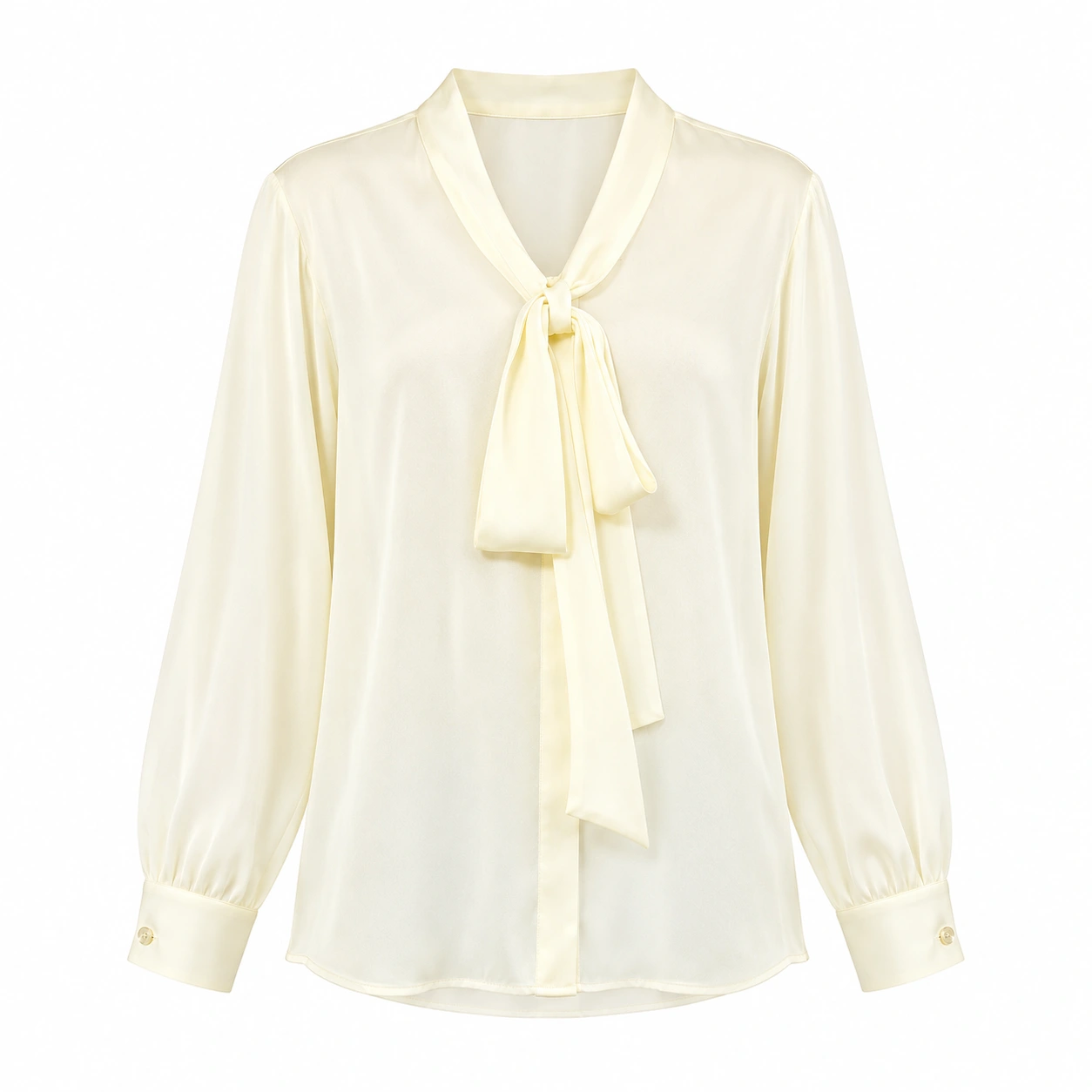
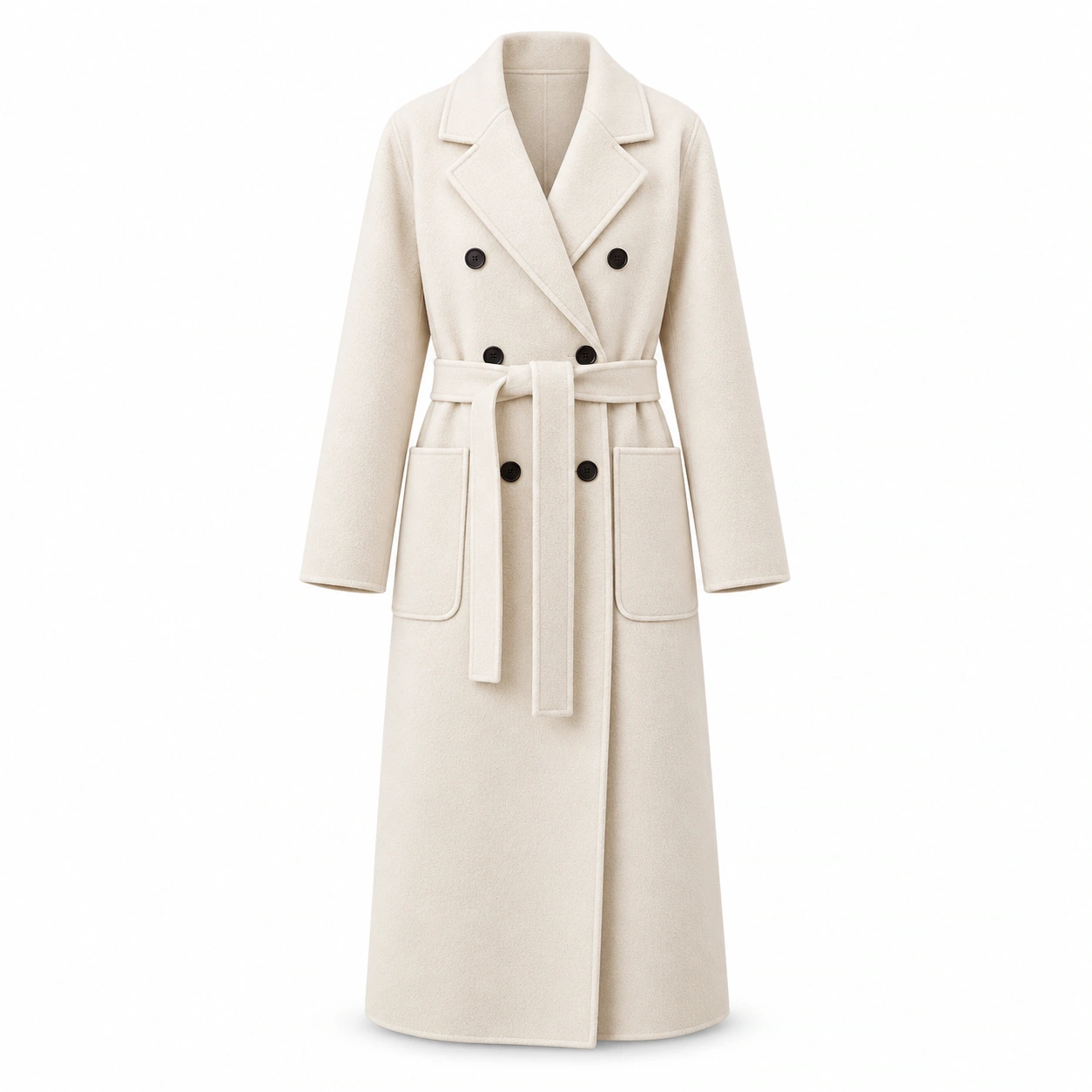
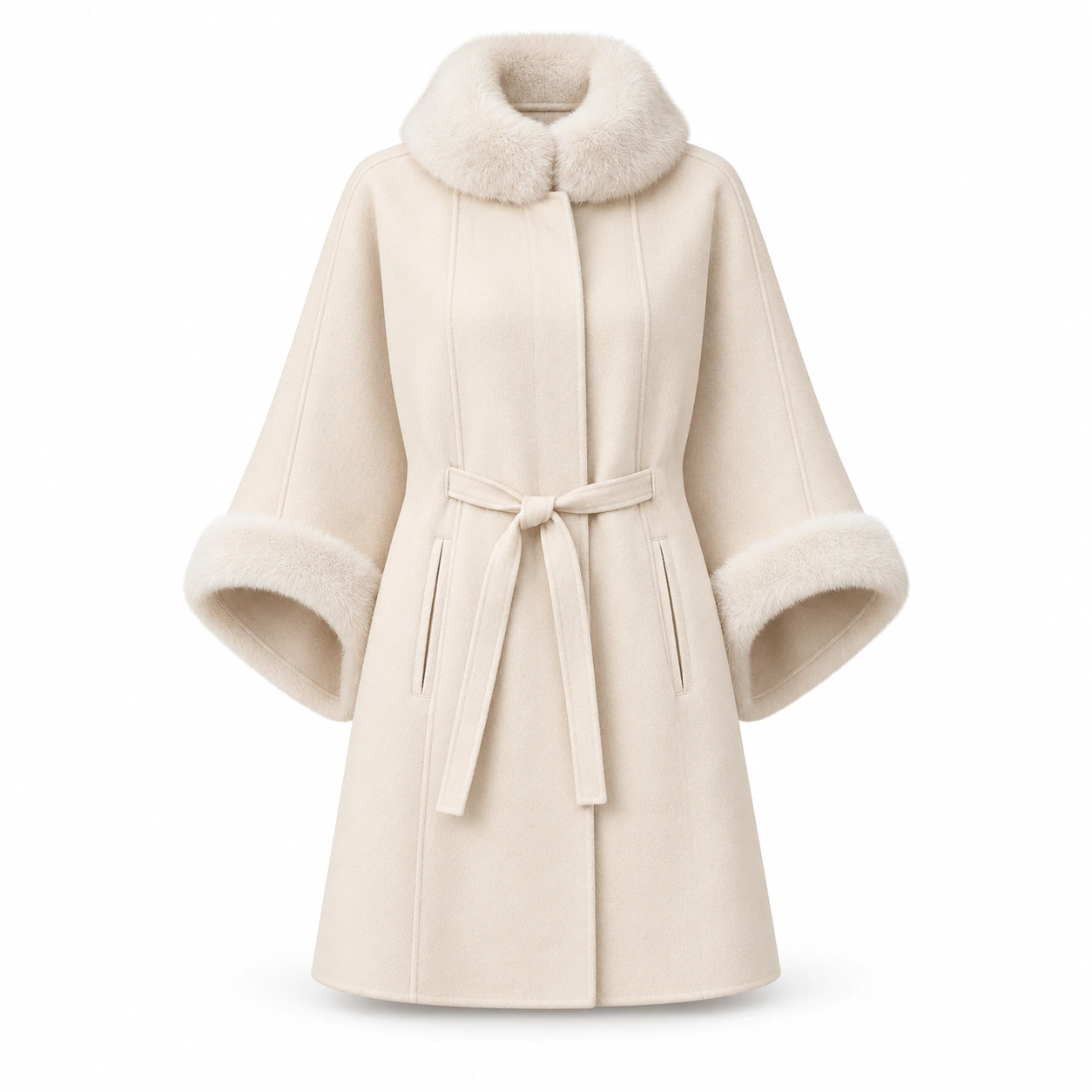
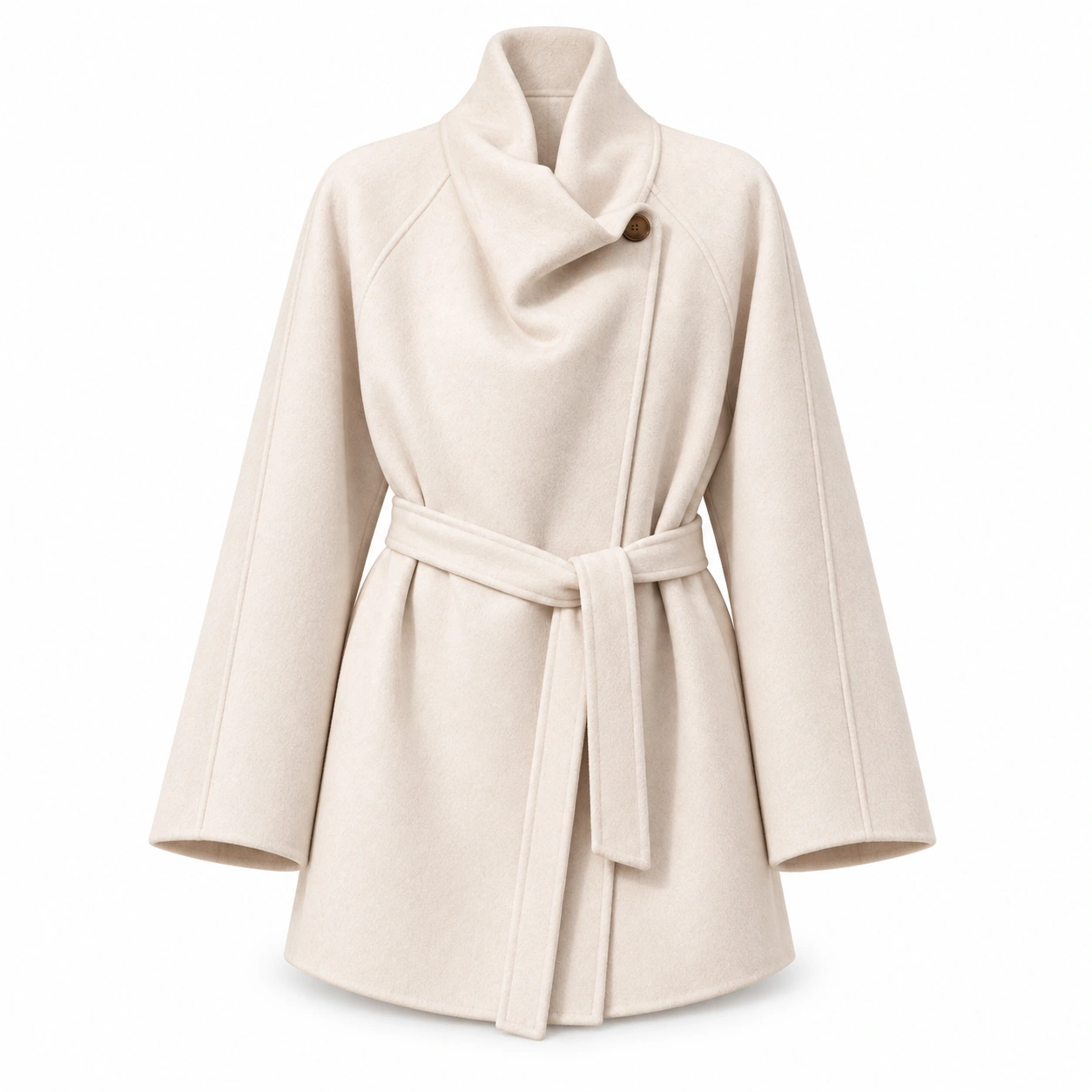
Also consider the design shown in the photographs. A dropped shoulder, wide sleeve, cropped body or longer hem can be intentional. A styling illustration can suggest an outfit, but it cannot establish how a garment will fit your body. Use confirmed measurements, material information and your preferred reference piece to make that comparison.
Compare centimetres and inches consistently
One inch is exactly 2.54 centimetres. Use the converter below to put two measurements into the same unit. Conversion changes the unit, not the measurement method: converting a flat garment width into inches does not turn it into a body circumference. Keep the original measurement and its description alongside the converted value.
Before making an enquiry, write down the product link, selected size, reference-garment measurements and the fit you want. Ask about the fabric composition and care label if those affect your choice. For coats and knitwear, explain what you intend to wear underneath. This gives a more useful basis for discussing fit than a size letter alone.
Centimetres ↔ inches
Convert a length while keeping the original measurement method in mind.
1 inch = 2.54 centimetres. This tool converts units; it does not assign a garment size.Your enquiry checklist
- Exact selected size or option
- Finished-garment measurements and measurement method
- A similar reference garment
- Desired fitted or relaxed silhouette
- Fabric composition and intended layers
Reference sources
Examples below use the catalogue descriptions and labelled images. See our editorial standards for how we distinguish product details, design previews and styling illustrations.