Start with what you actually carry
A bag can look right in a photograph and still be inconvenient for your day. Before choosing a silhouette, put your usual essentials together: phone, keys, wallet, glasses and anything else you regularly carry. Measure the largest item rather than relying on a label such as “small” or “everyday.” If you need a tablet, book or water bottle to fit, ask for the bag’s internal dimensions and opening size. Exterior width alone does not tell you whether an item will pass through the opening.
Next, think about when the bag will be used. A short evening out and a day of commuting place different demands on a bag. A compact shape may suit a few essentials; a larger open shape may be easier when you need to reach several items. Capacity, empty weight and a secure closure are details to confirm for the specific piece.
Match the carrying style to your routine
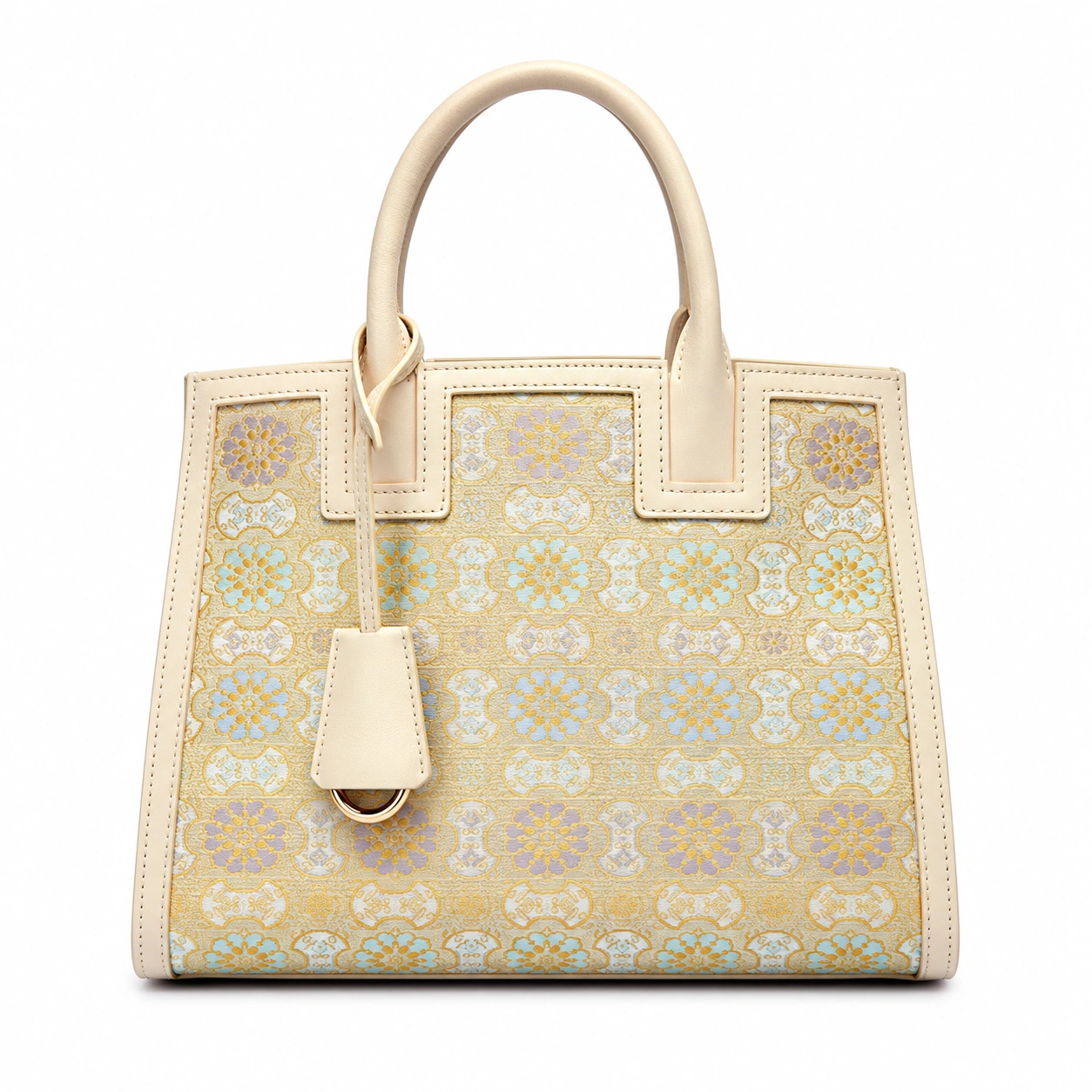
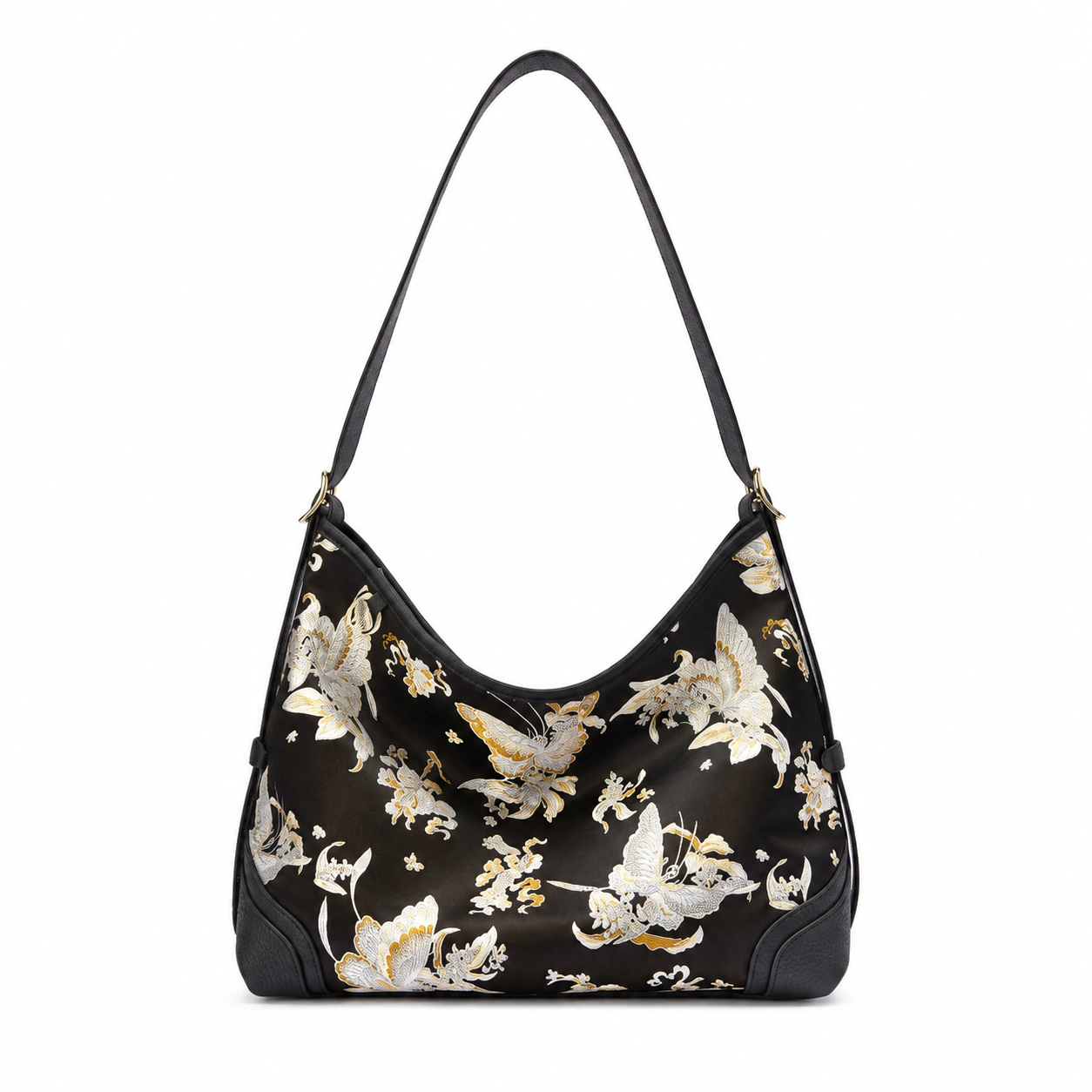
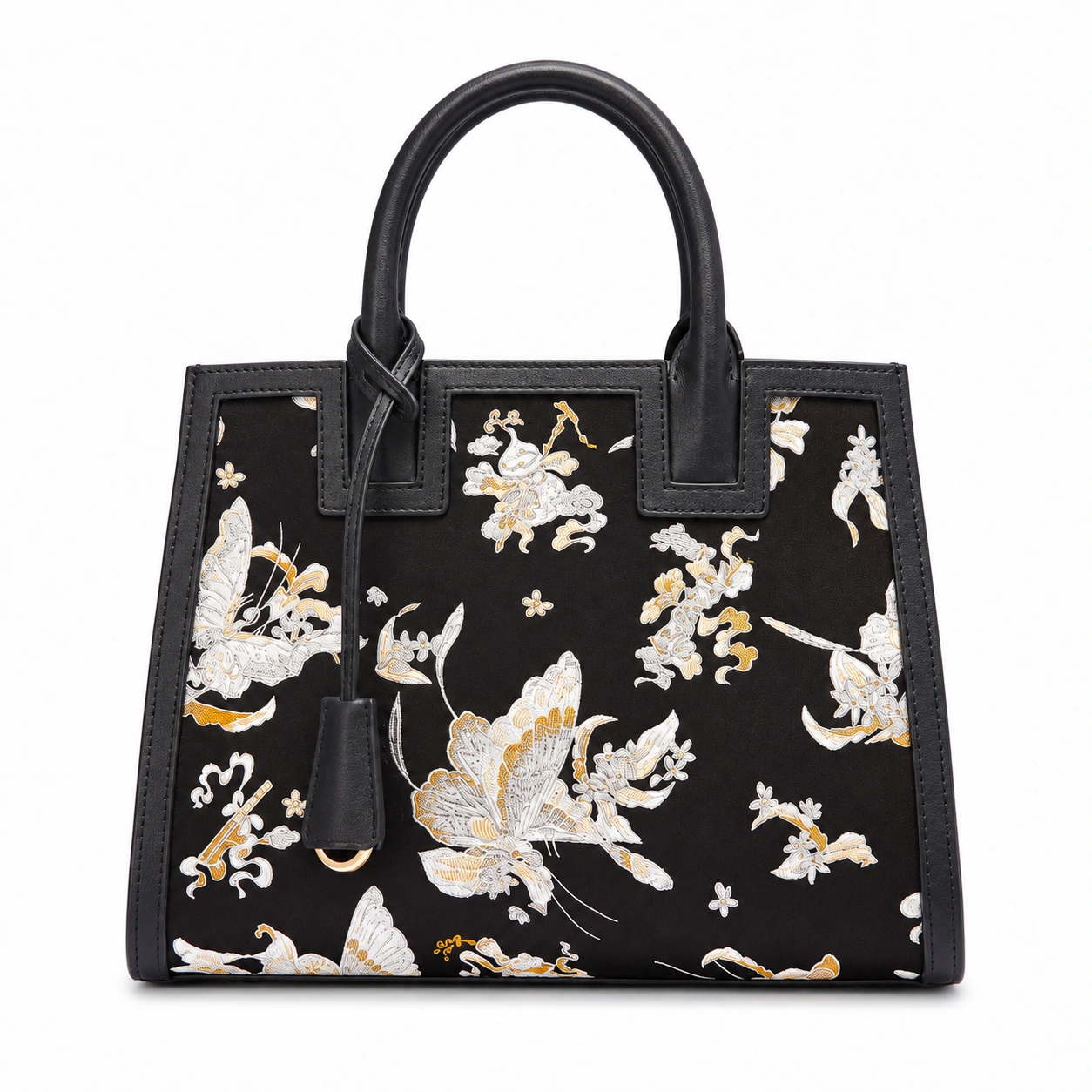
A top-handle silhouette gives you a defined handle to hold, but the photograph does not establish whether a shoulder strap is included. Ask what comes with the bag and whether any strap is removable or adjustable. For a shoulder bag, strap drop matters: it affects where the bag sits and whether you can comfortably wear it over a coat. A long strap is not automatically a crossbody strap; confirm its adjustable range.
A tote, a shoulder bag and a clutch describe different shapes or carrying ideas, not guaranteed capacities. Check the individual piece. When comparing two bags, use the same list of essentials and the same measurement units. This produces a more useful comparison than judging size from two photographs taken at different scales.
Read the opening, base and closure
Look at the opening as well as the front of the bag. A narrow frame, flap or shaped top can reduce usable access. Ask whether the closure is a zipper, clasp, magnet or an open top, and whether there is an internal pocket for smaller items. If you want a bag to stand upright when set down, ask about the base construction rather than inferring rigidity from a styled image.
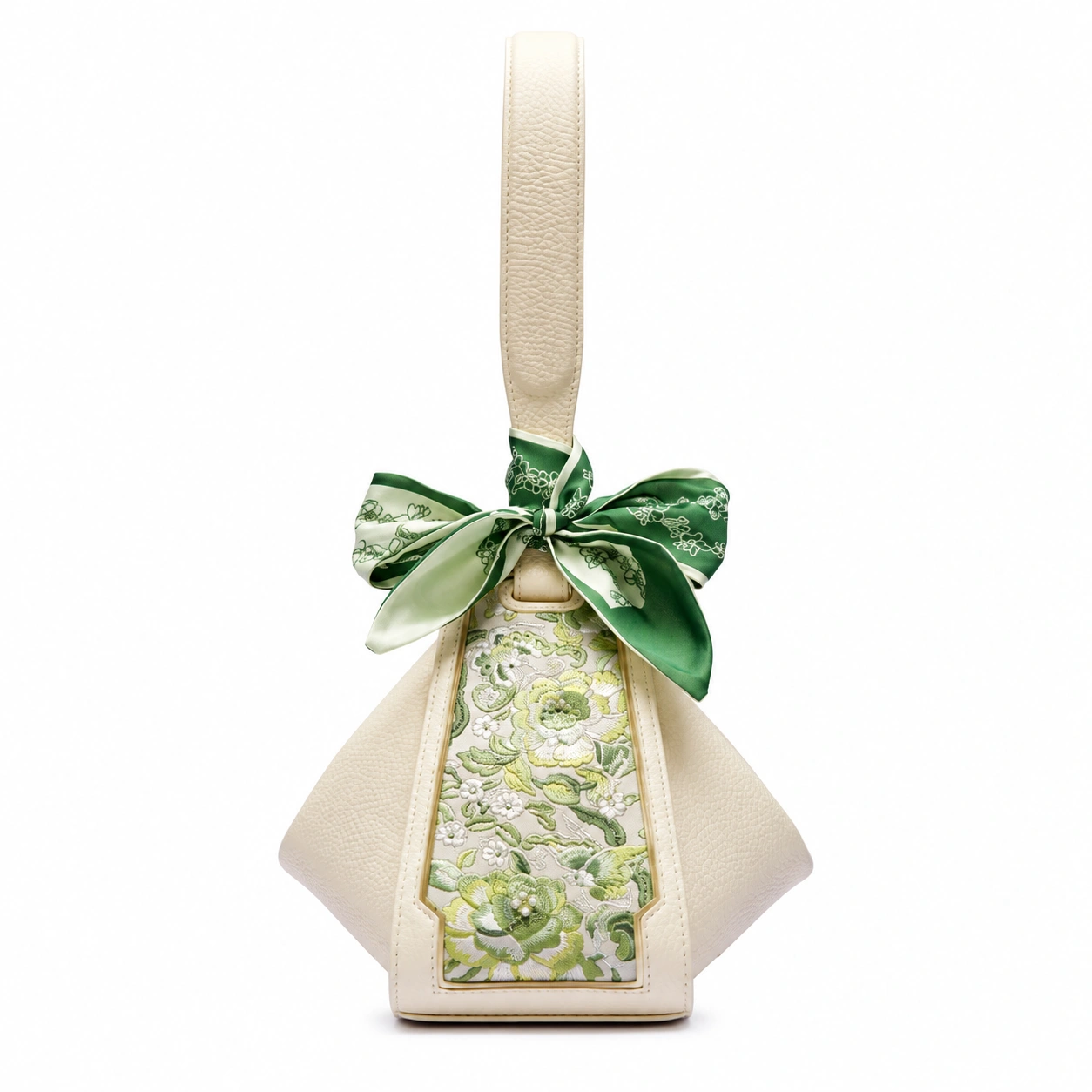
Colour and surface pattern are useful visual starting points. They do not confirm fibre content, leather type, hardware composition or care instructions. GARDEN’s galleries include labelled design previews and styling illustrations for some pieces. Use those images to explore the look, then request the final specifications for the exact option you are considering.
Build a three-piece shortlist
Choose one shape that suits your current routine, one alternative carrying style and one more expressive option. Compare them against the same questions: what fits, how it carries, how it closes and what it weighs. If one answer is missing, mark it as a question instead of assuming the most favourable answer.
For an enquiry, include the product name or page link, the colour you prefer, your largest essential item and your intended carrying style. This makes it easier to get a useful answer about fit and construction. Confirm delivery destinations, current availability and purchasing terms separately; a USD catalogue price does not establish those details.
Your enquiry checklist
- Internal dimensions and opening width
- Strap inclusion, drop and adjustable range
- Closure and internal pockets
- Empty weight, materials and care instructions
- Preferred colour and delivery destination
Examples below use the catalogue descriptions and labelled images. See our editorial standards for how we distinguish product details, design previews and styling illustrations.