Identify the construction first
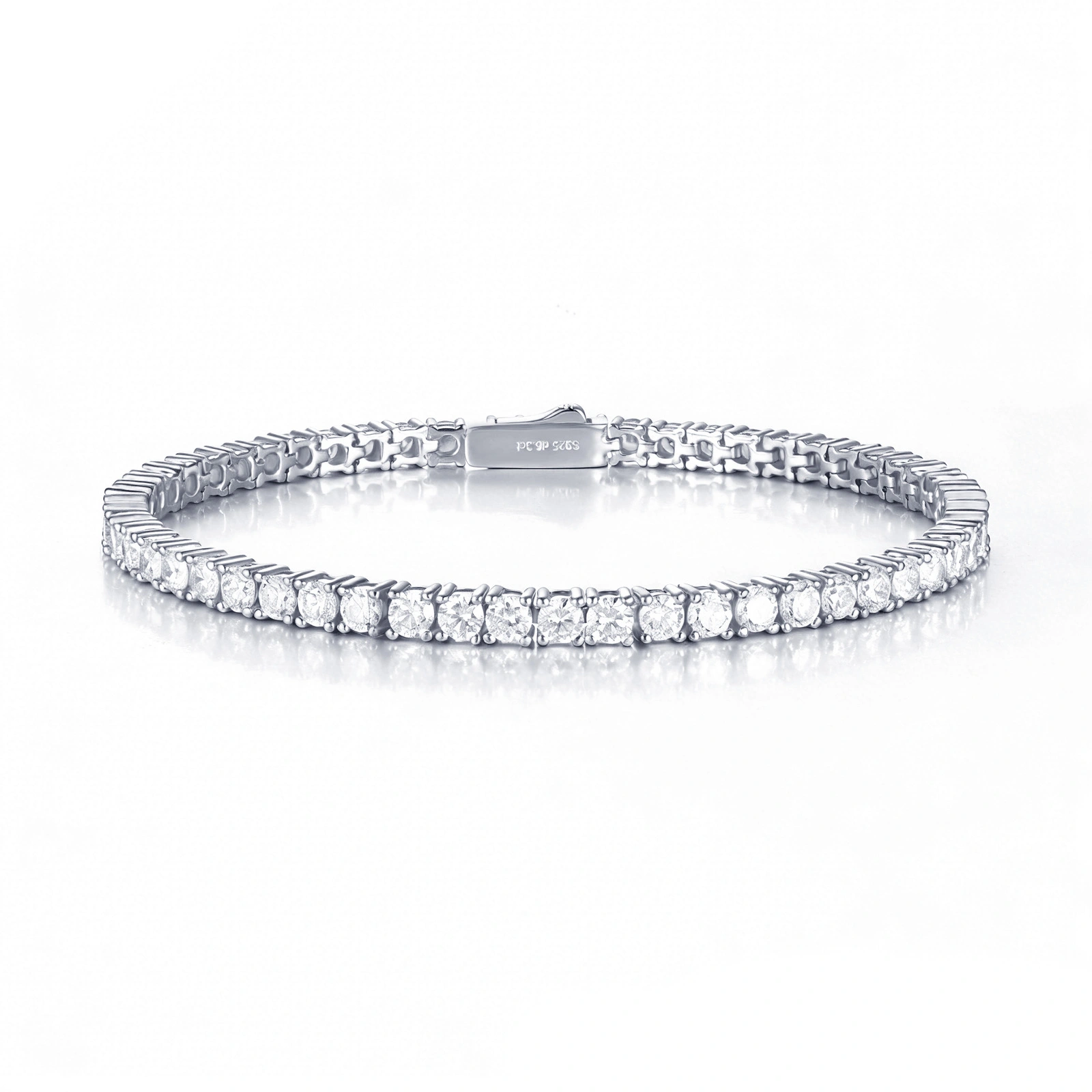
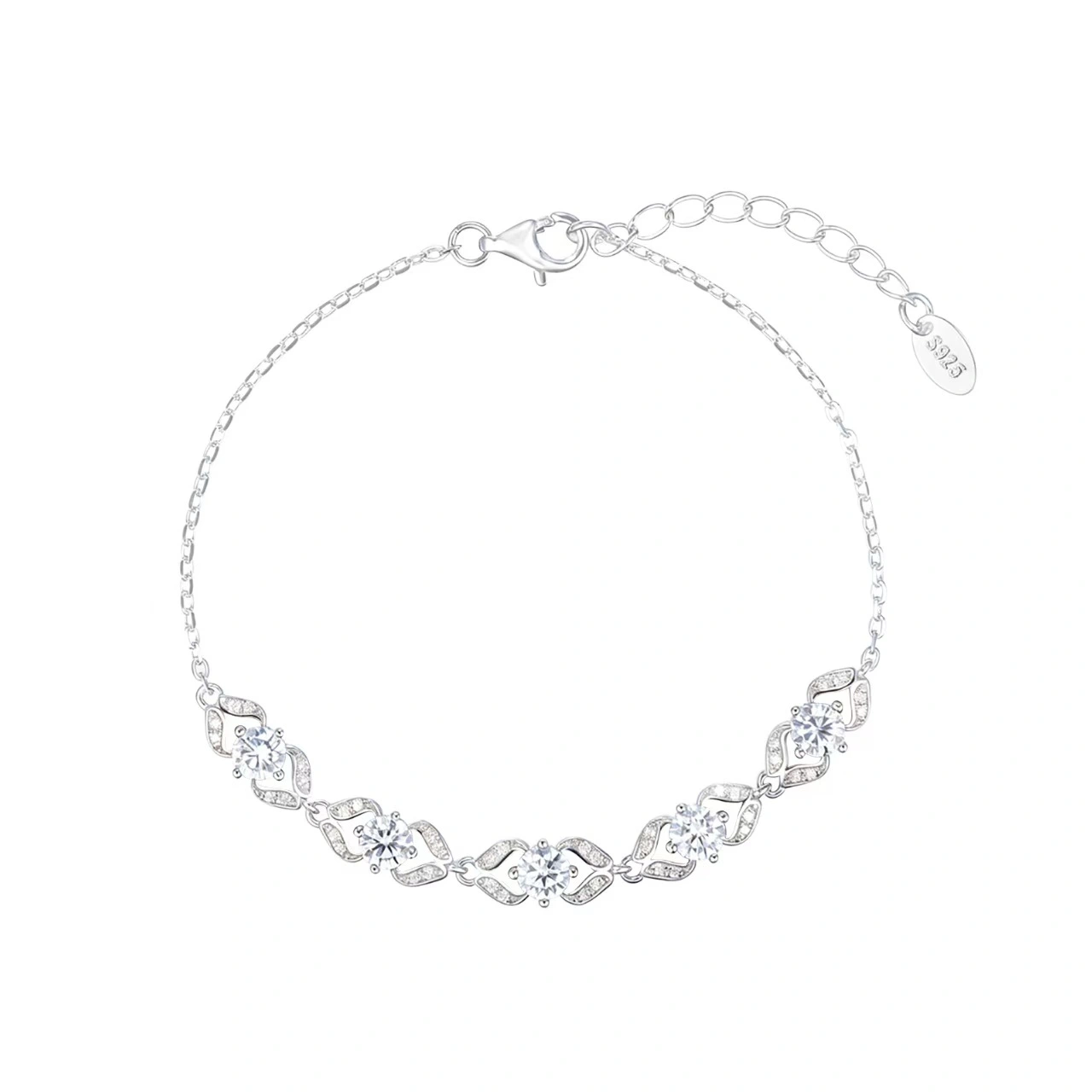
A flexible bracelet and a rigid bangle do not fit in the same way. A bracelet may wrap around the wrist and close with a clasp. A bangle may be a closed rigid shape, a hinged shape or an open cuff. The construction determines which measurements are useful, so start by asking how the particular piece opens and closes.
A photograph of the front may not reveal the clasp, hinge or opening. Look through the product gallery and ask for a view of any part that remains unclear. Do not assume that every open-looking design is adjustable, or that every rigid design slides over the hand. Request the construction details for the exact piece.
Ask for dimensions that describe the piece
For a flexible bracelet, ask for the wearable length, any extender range and how the clasp affects that length. A wrist measurement can help you describe your starting point, but your preferred movement and the bracelet’s construction also matter. Compare with a bracelet you already wear comfortably and explain whether you prefer a closer or looser fit.
For a closed bangle that must pass over the hand, wrist circumference alone does not establish fit. Ask for the inner dimensions and how the seller recommends checking the hand. For an oval or hinged design, inner width and inner height describe something different from total outer width. Keep those labels attached to the numbers when comparing pieces.
Read finish and material descriptions separately
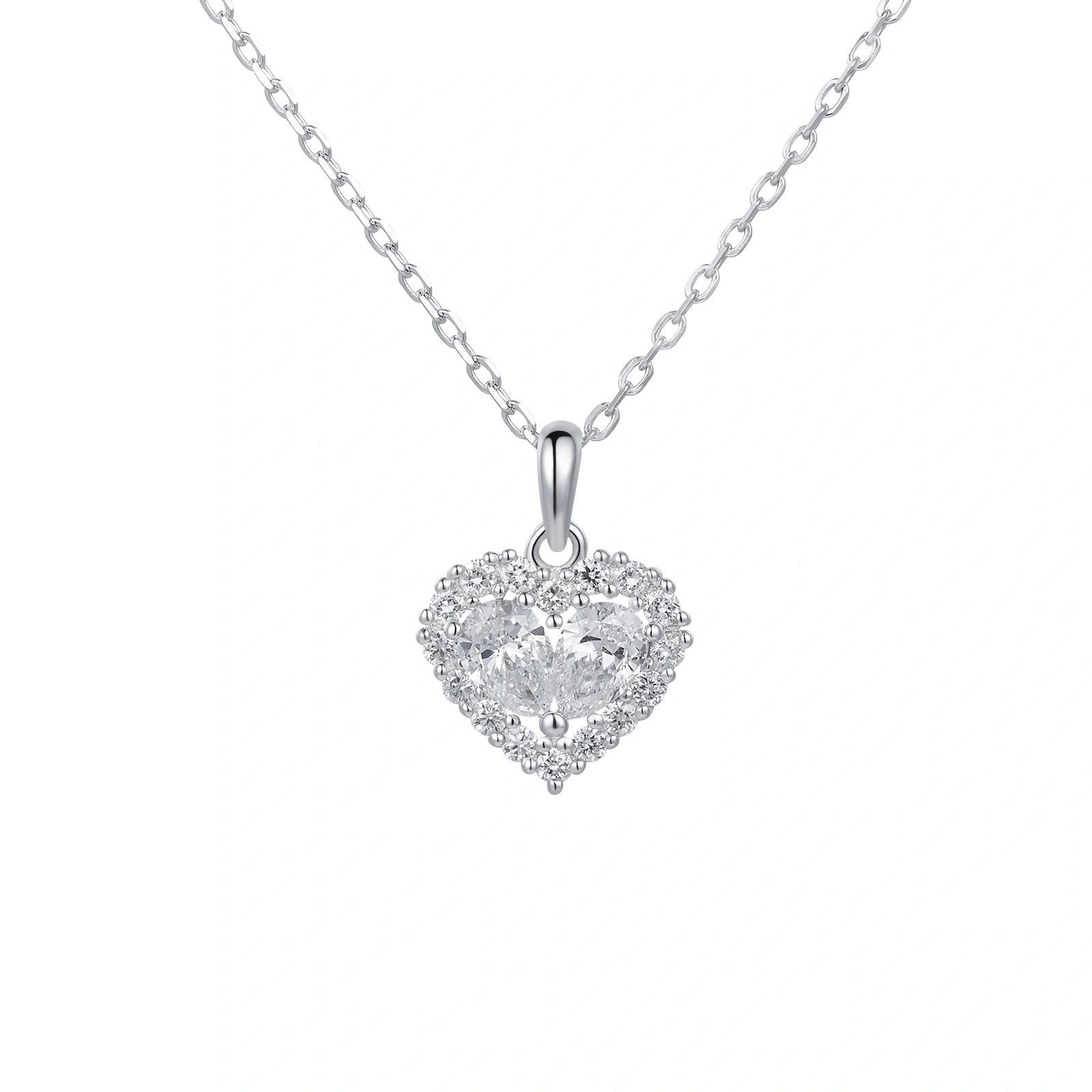
A finish description such as “silver tone” describes an appearance. It does not by itself establish a precious-metal composition, a purity level or a stone identity. If the metal or gemstone is important to your choice, request the material specification and any available supporting documentation for that product. A photograph is useful for colour and shape, not for proving composition.
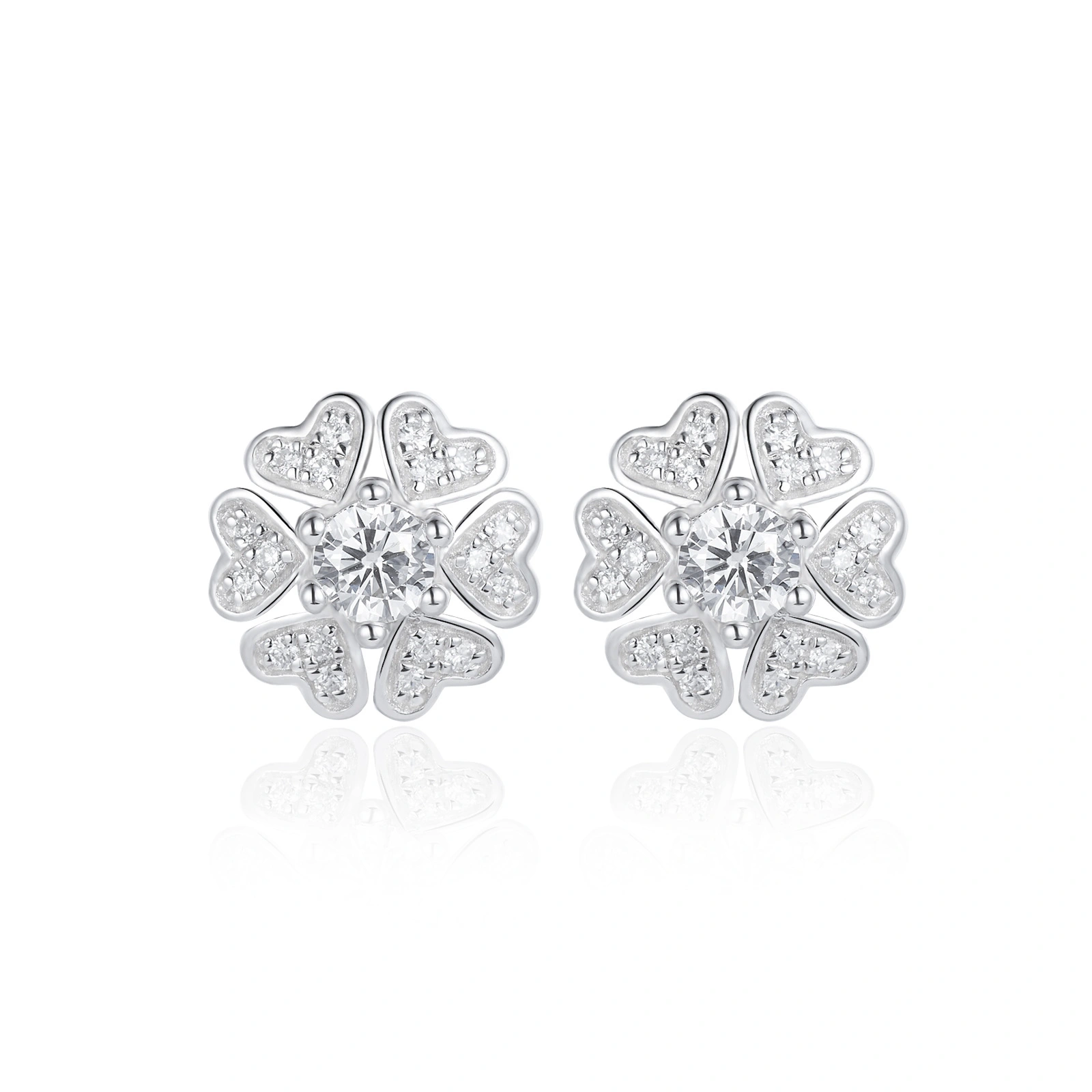
The GARDEN catalogue contains different motifs, finishes and constructions. Some galleries include styling illustrations. These can show a design direction or a possible pairing, but they do not establish the piece’s exact scale, certification or fit. Use the written dimensions and confirmed specifications when making your shortlist.
Choose the details you want to notice every day
Consider the width of the piece, whether the surface is smooth or textured, and whether a raised motif may sit against sleeves or other jewelry. If you plan to stack several pieces, compare their inner dimensions and widths rather than assuming every bangle will sit together in the same way. Ask about care instructions for the stated materials and finish.
A useful enquiry includes the product link, preferred finish, the measurements you are comparing and whether you want a hinged, clasped or closed construction. If a size is written as a pair of numbers without a unit or measurement description, ask what the numbers refer to before choosing. Clear questions are more valuable than guessing from a size code.
Your enquiry checklist
- Clasp, hinge, closed shape or open cuff
- Wearable length or clearly labelled inner dimensions
- Units and the meaning of any size code
- Confirmed metal and stone descriptions
- Preferred movement, width and stacking style
Examples below use the catalogue descriptions and labelled images. See our editorial standards for how we distinguish product details, design previews and styling illustrations.